A better groom starts with a better conversation
A pet grooming consultation helps the owner and groomer agree what can be achieved before work begins. It brings together the owner’s preferences, the pet’s needs and your professional assessment of the coat. It is also the moment to explain pricing, handling arrangements and collection expectations.
The owner may arrive with a reference photo, a request to keep a long coat or a worry after an earlier experience elsewhere. Listen carefully, but do not promise a result before checking whether it is appropriate for that pet. A useful consultation ends with a shared plan, including what you will do if circumstances change during the appointment.
Build time for this into the booking. New clients, puppies and pets with complex grooming needs may need a longer conversation than a familiar maintenance visit. Even with returning pets, ask what has changed rather than assuming the previous notes still tell the whole story.
Know who you are speaking to and which pet is booked
Greet the owner and pet by name, then confirm the service and contact details. Ask who can authorise changes and who will collect the pet. This is particularly helpful when one household member makes the booking and another brings the dog.
Neko’s client and pet profiles give you a connected place for preferences, notes, photos and forms. Review the existing record before the appointment so the owner does not have to repeat information that your team has already documented.
Ask only for relevant information. Grooming history, handling sensitivities, products previously used and restrictions shared by the owner may help you prepare. Keep records factual and dated. A profile supports continuity, but an important concern may still require a conversation with the owner or advice from their veterinarian.
Ask open questions, then clarify the detail
Start with questions that invite the owner to explain their priorities. “What would you like us to focus on today?” and “How is brushing going between visits?” usually reveal more than a quick yes-or-no question.
Clarify the words people use differently. “Short”, “fluffy” and “tidy” can mean very different things to different owners. Ask for a reference image where useful, then discuss which features are achievable for this pet’s coat and current condition. Do not treat a picture of another breed as a guarantee of the same finish.
Ask about previous grooming experience and what has helped the pet feel comfortable. Listen without blaming an owner for maintenance difficulties. Practical questions about their routine help you suggest a manageable plan rather than a style they cannot maintain.
Confirm essential details in your own words. “You would like a practical trim with a fuller face, provided the coat assessment allows it” gives the owner a chance to correct a misunderstanding before grooming starts.
Use active listening without making assumptions
Give the conversation your attention. Stop typing when the owner explains an important concern, and avoid interrupting with a recommendation before you understand the problem. If the reception area is noisy, choose a suitable place to talk without compromising supervision of pets.
An open, relaxed posture and a calm tone can help. Eye contact should feel natural and suit the person; there is no single posture or gaze pattern that proves someone is honest, confident or comfortable. Allow for different communication styles, accessibility needs and cultural preferences.
Do not crowd the owner or reach for their pet without explaining the handover. Ask how the pet usually responds to unfamiliar people, and use your established handling procedure. Listening to the owner and observing the pet are related tasks, but neither replaces your professional judgement.
Write down the agreed outcome, rather than every detail of the conversation. A concise record of the preferred trim, coat findings and important constraints is easier for another groomer to use at the next visit.
Set expectations around the pet’s comfort and coat
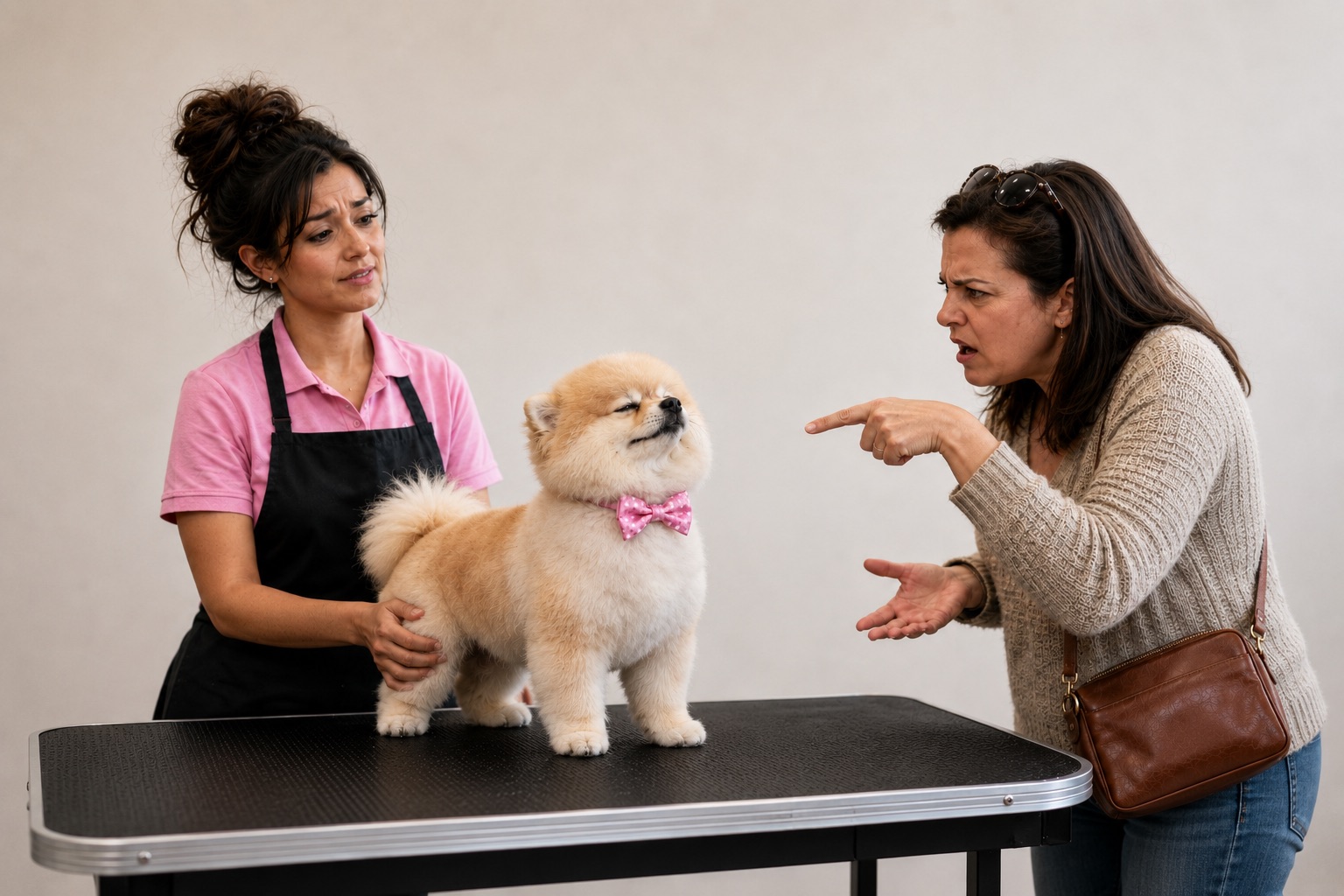
Explain what your assessment means for the requested groom. Coat type, condition, matting, the pet’s tolerance and your available time or equipment can all affect the plan. Be clear when the desired style is unsuitable or cannot be achieved this visit.
Use respectful language and practical alternatives. If a long style would require maintenance the owner cannot realistically provide, discuss a more manageable trim and show how to brush or comb appropriately between appointments. Do not shame the owner or frame an unsuitable finish as a premium option they can buy.
Pet comfort takes priority over a cosmetic request. Agree how you will contact the owner if you discover a problem, need to change the plan or must stop. Stay within your grooming competence; do not diagnose or offer treatment for a medical concern.
Also explain that a successful appointment is not always the longest or most elaborate groom. A gradual introduction or a modified service may be more appropriate for an individual pet. Owners are better able to understand that decision when the possibilities have been discussed beforehand.
Discuss the price and future maintenance
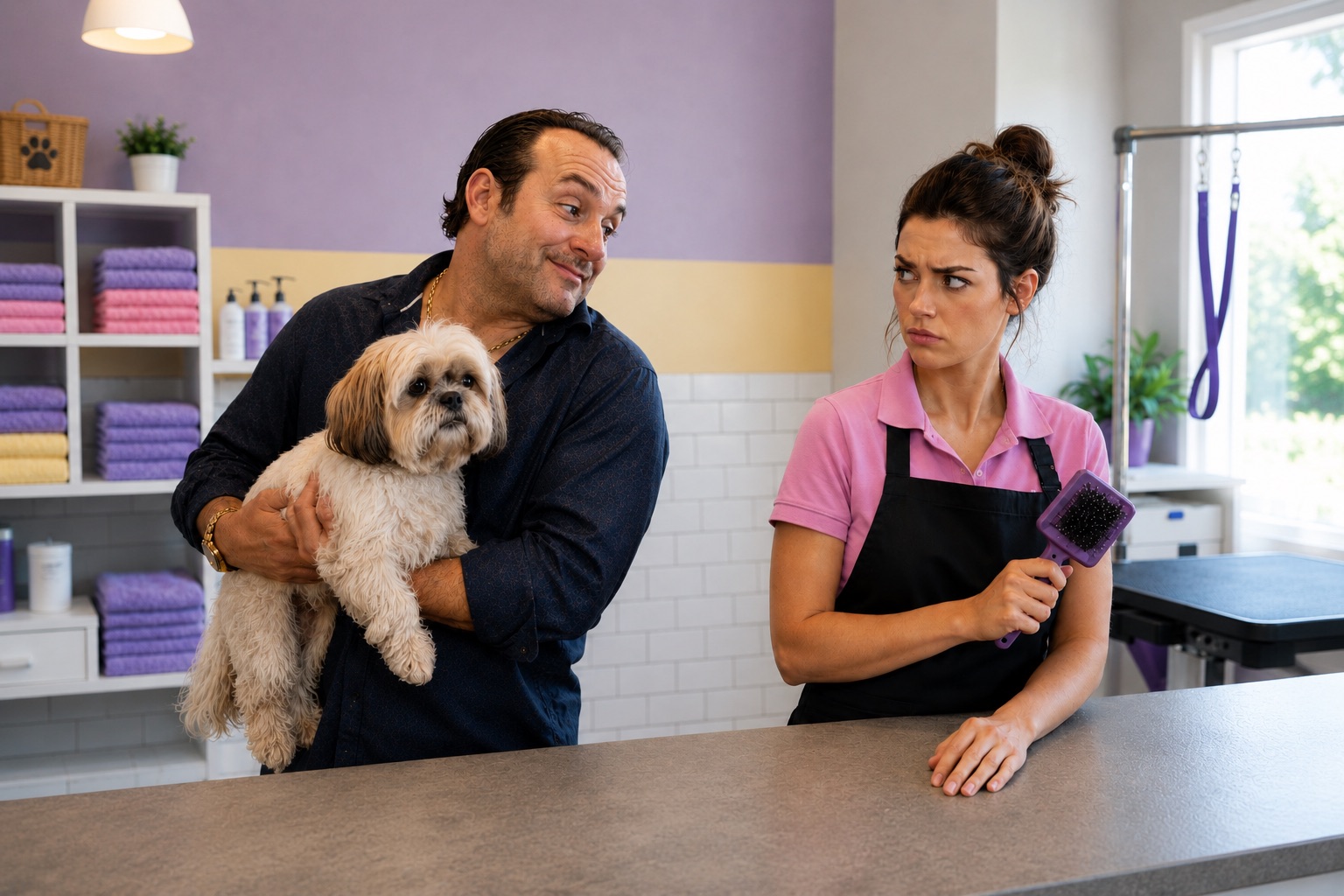
State what the estimate includes and which factors could change it. If coat condition, additional time or an agreed extra service affects the final charge, explain the process before starting. Obtain agreement before making changes that require the owner’s authorisation.
Avoid a vague “from” price without context. A service menu can give owners a useful starting point, but it should not create an expectation that every dog of a named breed costs the same. Describe how your assessment and service requirements affect the quote.
Discuss the ongoing commitment too. A fuller coat may need regular home maintenance and a suitable return interval. Ask what the owner can manage, then recommend an appropriate plan. Do not suggest an unnecessary service or product just to increase the appointment value.
Give the owner a clear collection arrangement and a way to contact you. If timing changes, update them early. A well-explained price and handover plan prevent avoidable uncertainty at the end of the groom.
Help the whole team consult consistently
Use a short consultation checklist so staff cover the important points without turning every visit into an interrogation. Include identity and contact checks, coat assessment, owner expectations, service agreement, likely cost and collection arrangements.
Practise conversations about common challenges: a requested style that is unsuitable, a pet that needs a slower introduction, or an owner who is surprised by additional coat work. Support junior groomers with observation and mentoring rather than expecting them to manage difficult conversations alone.
Neko’s digital consultation and consent forms can collect information before arrival and retain signed records. Review the answers and discuss the agreement. A completed form is preparation for professional care, not a substitute for it.
Close the consultation with a shared plan
Summarise the agreed groom and ask whether the owner has any remaining questions. After the appointment, explain what was completed, any changes you discussed and the practical maintenance advice for next time. Update the pet record while the details are fresh.
Clear consultations can reduce misunderstandings, strengthen owner confidence and help your team provide consistent care. They also give you a better foundation for appropriate rebooking and useful retail recommendations.
To explore a connected place for bookings, client and pet profiles and consultation records, start your free trial of Neko. Build the tools around the conversation that your owners and pets need.
Pet Business Software Blogs
Helpful Ideas For Smoother Pet Business Management
Explore practical articles that help pet businesses improve bookings, care records, communication, daily admin and growth.