Learning to use non-verbal communication is vital to improving your client relationships in your grooming salon. Understanding non-verbal communication cues may mean the difference between retaining a client or losing them to your competitor.
WHY IS IT NON-VERBAL COMMUNICATION SO IMPORTANT?
Non-verbal communication is a form of social language that is richer and more informative than the spoken words accompanying them. The non-verbal cues we use reflect our inner emotions, and most of the time we are not aware of it. No matter how friendly we are sounding, our body language and facial expressions will give away how we are really feeling. Most of us are unconscious of our own non-verbal communication but find it easier to pick up on non-verbal cues from others.
“The most important thing in communication is hearing what isn’t said”.
Peter F, Drucker
There is no single percentage that explains every conversation. Words, tone, context and body language work together. Focus on whether the owner understands the grooming plan and feels able to ask questions, rather than assigning a fixed share of meaning to gestures.
Whatever the true percentage is, the significance of non-verbal communication cannot be denied.
Creating the right impression on your client and building a rapport should be of significant importance to you in maintaining a profitable and successful business. Noticing non-verbal exchanges in a conversation with you and your client can reveal a lot about whether you or your client are really feeling what you are saying.
WHAT IS NON-VERBAL COMMUNICATION?
Non-verbal communication includes facial expression, posture, gesture and aspects of delivery alongside the spoken message. In a consultation, use it to support clear words rather than treating it as a substitute for an agreed grooming plan.
Differences in culture can sometimes present a problem when in the decoding of non-verbal communication. However, the majority of facial expressions are universally understood.
First impressions can rely heavily on non-verbal communication. So learning non-verbal language skills can be invaluable in making a first impression on your clients.
TYPES OF NON-VERBAL COMMUNICATION
Learning to link your non-verbal communication with your words is important to convey an authentic and trustworthy demeanour. So let’s look at the various ways you can improve your client interactions by being mindful of your non-verbal language.
CLOTHING AND APPEARANCE
The clothing that you and your staff wear in your grooming salon play a large role in the visual assessment of you and your grooming salon. Clothing can convey a lot about the culture of your business. Do your staff look shabby and mismatched? or do you have a standard dress code that properly portrays your grooming salons’ vision? Staff clothing is an expression of your business, so think about how your grooming salon is perceived on the first impression.
Clean work clothing and an organised, hygienic grooming environment demonstrate care in practice. Do not infer an employee’s character from appearance; establish suitable standards, provide the equipment needed and discuss concerns respectfully.
Owners may form an early impression from the welcome and handover, but that impression can change through clear communication and consistent care. Focus on useful actions rather than a supposed universal time limit.
POSTURE
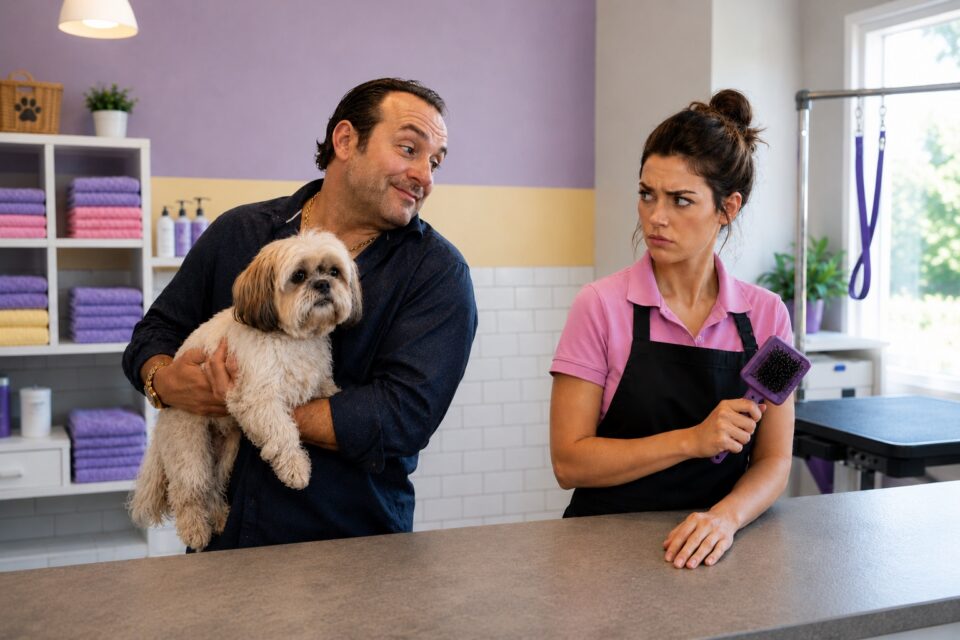
Most of us are aware that certain postures are crucial in deciphering the demeanour of a person. Standing tall, shoulders back, and open hand gestures with palms showing are all considered a display of confidence and honesty. While standing in a slouched position with hunched shoulders or arm crossed can all convey a negative or apathetic attitude. So try to take note of how you and your staff are portraying themselves through their postures and make corrections where possible.
Using an open posture will have a positive effect on your clients as these postures re-enforce that you are involved and attentive to what is being said. Leaning forward is also a display of interest. Body language experts all agree that postures congruent with speech lead to a more favourable and trusting view of the person talking. Forming a trusting and comfortable relationship with your clients couldn’t be of more importance to your business, so why not use all the tools you have available to encourage bonding.
GESTURES
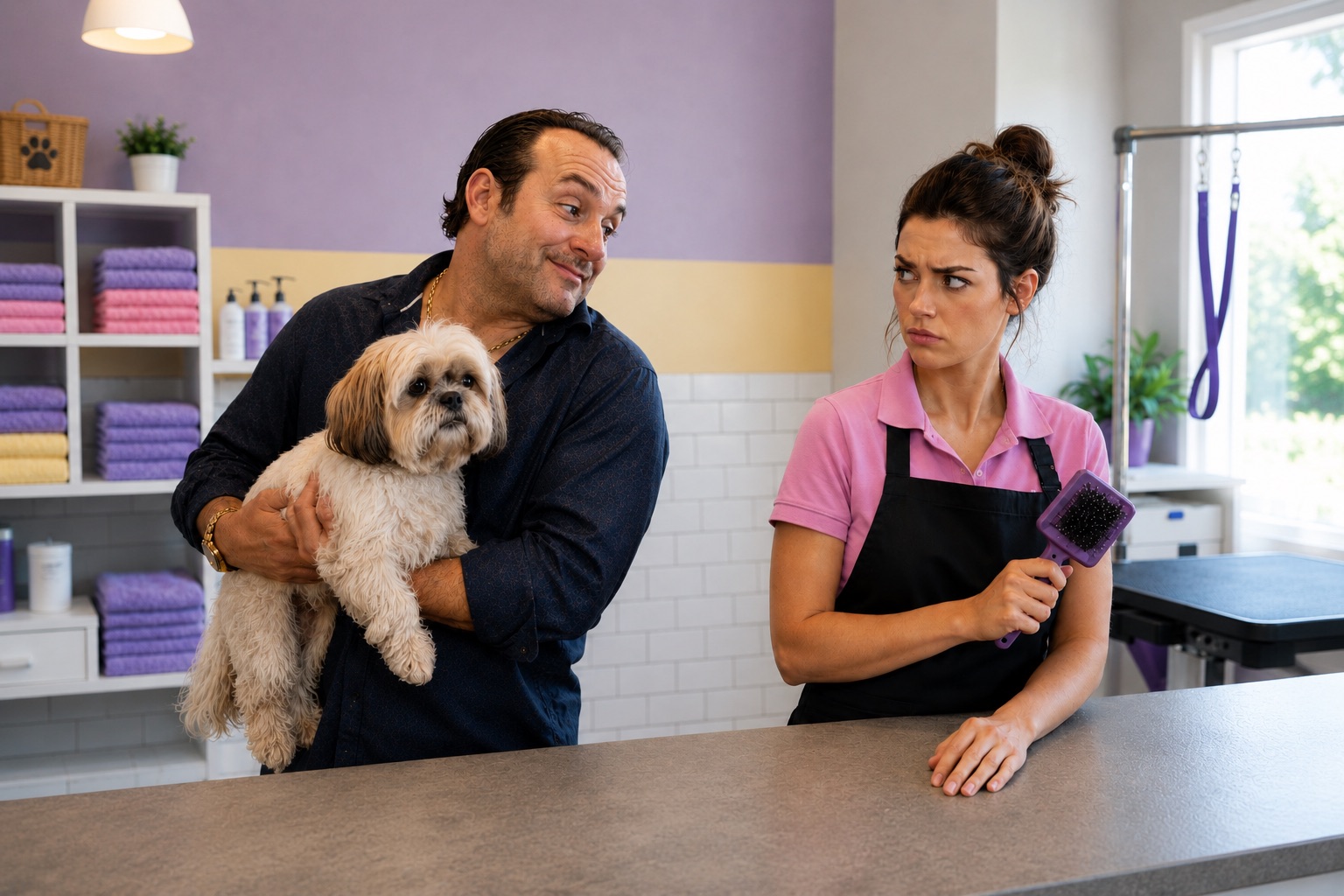
Gestures are often made with the hands, arms, and body. But also include facial movements such as eye rolling, winking, blink rate and nodding. When conversing with your clients or even your staff, it is imperative that your gestures and facial expressions are congruent with what you are trying to say.
Owners have different communication styles, backgrounds and accessibility needs. Avoid assumptions based on gender or family circumstances. Ask questions, listen to the response and adapt your explanation to the person in front of you.
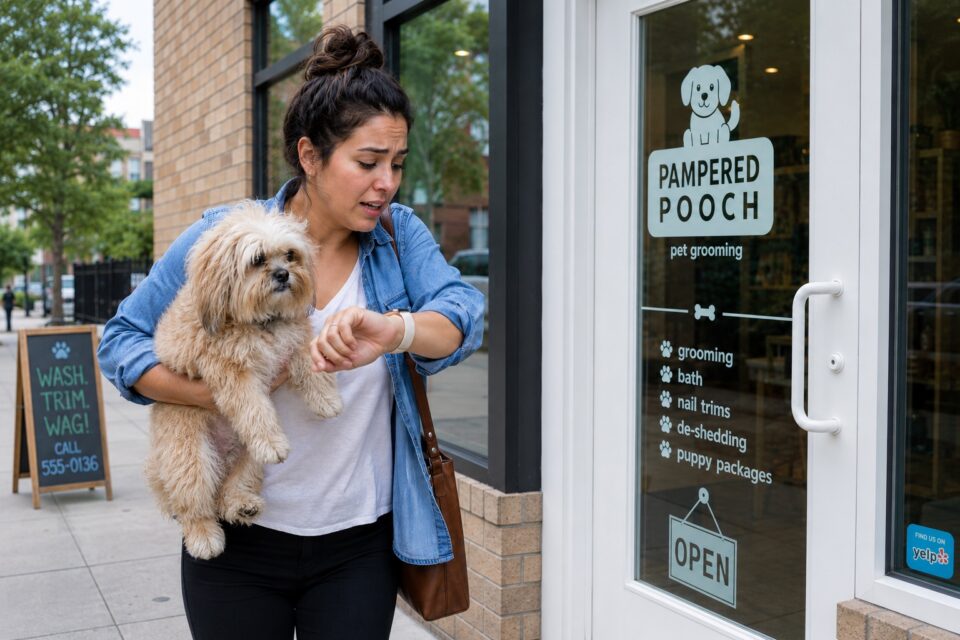
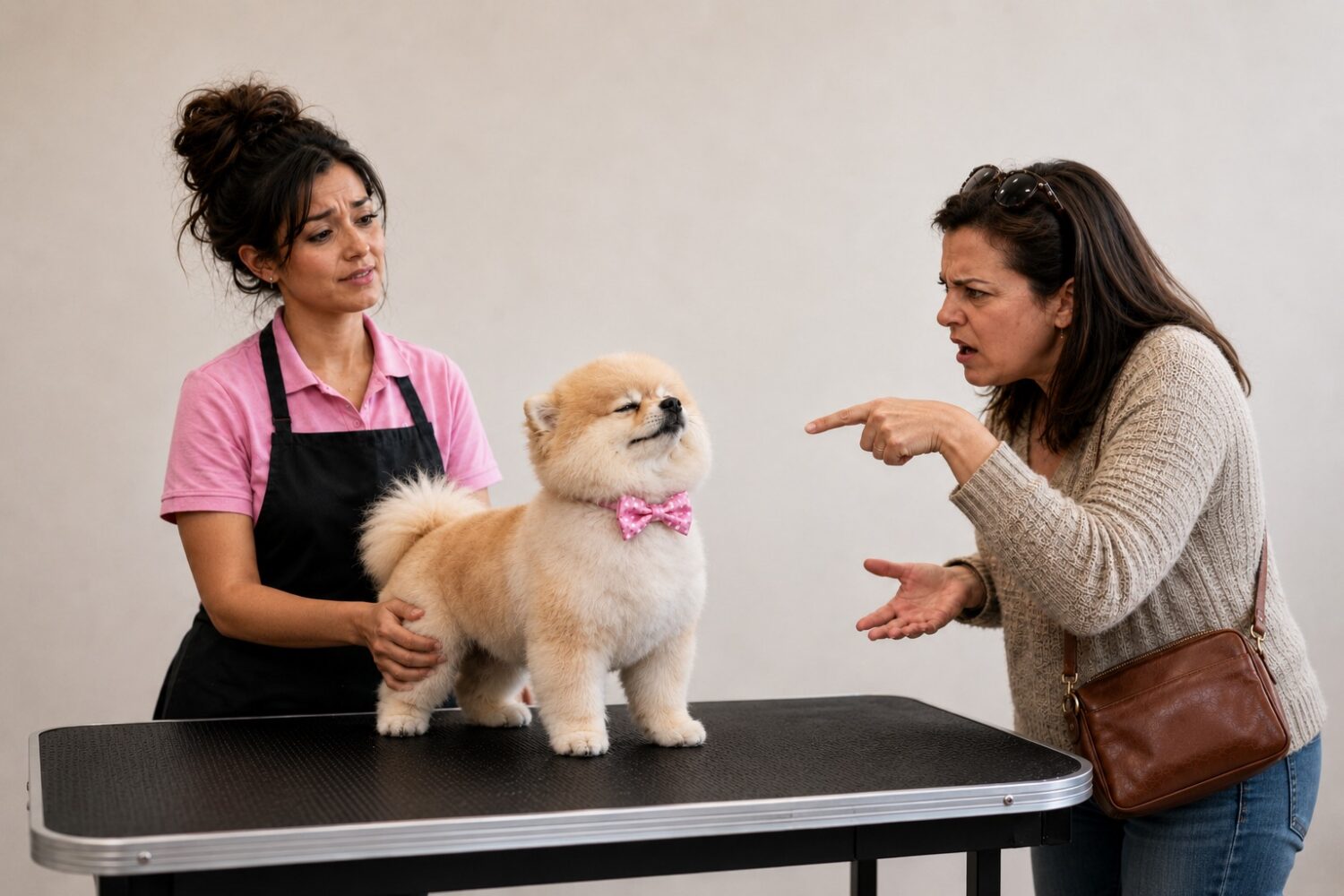
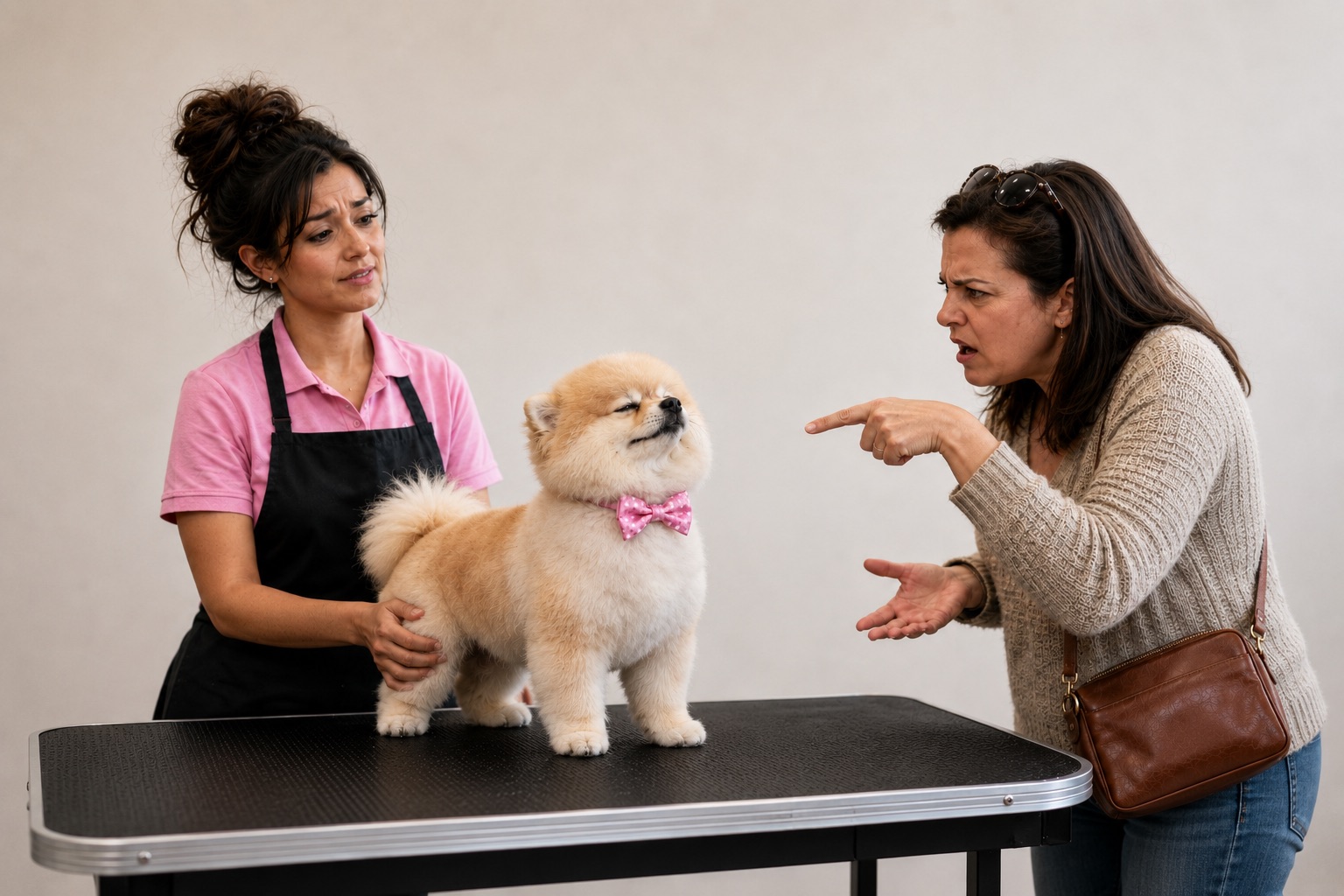
A gesture does not reliably reveal a person’s motives. Looking away, fidgeting or holding a bag may have many explanations. Use body language as a prompt to check understanding, not as evidence that an owner is dishonest or uninterested.
“We all speak two languages, body and English”.
A calm acknowledgement can show you are listening, but do not turn gestures into a formula. Let the owner finish, summarise the request and ask whether you have understood it correctly.
Avoid deliberately copying a posture to create trust. Give the conversation genuine attention, use a comfortable distance and keep your explanation clear. An owner should not need to display a particular gesture to be heard.
EYE CONTACT
Eye contact is a very significant part of any conversation. Good eye contact with your client is a non-verbal way to indicate interest. That way, you are giving the speaker your full attention. We have all experienced a conversation with someone where they are clearly distracted or looking around the room. This is a sure fire way to make your client feel unimportant and not your priority.
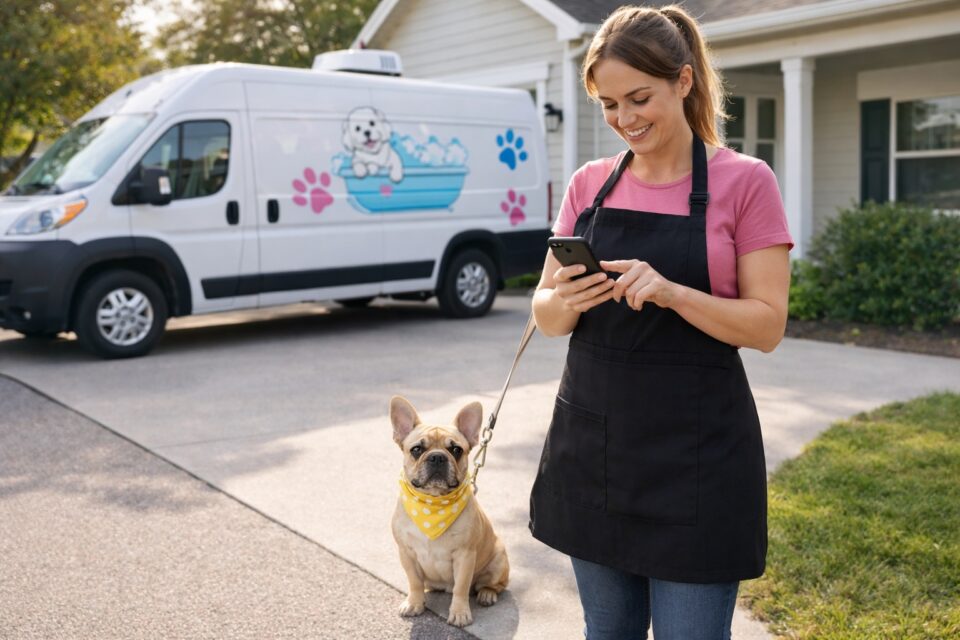
The biggest issue atributed to poor non-verbal communication is our electronic devices. Checking your phone when conversing with a client is really sending a message that you are distracted and the phone is more important than your client. Please refrain from allowing access to mobile phones in your grooming salon during working hours. Not only does it convey rudeness, it also breaks your concentration from the task at hand. Your clients are paying good money for a service and deserve to be treated with respect.
Use natural eye contact that suits the conversation, without demanding it from the owner. Reduced eye contact is not evidence of dishonesty. Clear words, patient listening and a chance to ask questions are better ways to check understanding.
SPATIAL BOUNDARIES AND TOUCH
Pet grooming involves handling the pet, while the owner needs a respectful conversation and a clear handover. Avoid unnecessary physical contact with clients, and explain how you will take their pet before reaching for it.
Trust comes from the way you care for the pet and communicate with the owner. Keep professional boundaries clear, listen to relevant concerns and do not use closeness or touch as a technique to create personal intimacy.
WALK THE TALK
If you really want to make an impact on your clients and build strong authentic relationships, combine your non-verbal language with your spoken words in a congruent manner. You may not have realised it by now but your non-verbal communication style really does speak volumes. The old adage, “Actions speak louder than words” really does have merit in today’s business world.
Using the right verbal cues not only assist us to communicate better but also to connect on a deeper level. Something we should all be striving for in the grooming business.
I hope this blog article has encouraged you to become aware of your own personal non-verbal language and to improve upon it.
If any readers of this blog have any topics they would like to read about in the future, feel free to comment below with a suggestion.
Are you using Neko pet grooming software?
Keep owner communication and pet observation distinct
An owner’s posture does not tell you how their pet will respond to grooming. Ask about previous experience, observe the pet in context and follow suitable handling procedures within your competence. Do not assume a familiar dog will behave exactly as it did at the previous visit.
A change in the pet’s response is a reason to reassess the situation and adjust appropriately, not a reason to force the agreed cosmetic result. Contact the owner when the plan needs to change, and seek suitable professional advice when a concern is beyond your role. This article’s communication tips are not a guide to diagnosing behaviour or health.
Practise a clear handover conversation
Explain what you are about to do: “I will take the lead now, then we can finish discussing the trim.” Use your established handover procedure and allow the owner to mention a relevant concern. Avoid crowding them or reaching unexpectedly for the pet.
At the end of the consultation, summarise the service, estimate and collection arrangement in words. Ask whether anything needs clarification. A nod or a smile alone does not establish that the owner has understood or agreed.
Give staff feedback on these practical actions rather than rating how confident they look. Role-play a noisy reception, an anxious first-time owner and a conversation needing a simpler explanation. Clear, respectful communication can be learned without trying to read people’s minds.
Pet Business Software Blogs
Helpful Ideas For Smoother Pet Business Management
Explore practical articles that help pet businesses improve bookings, care records, communication, daily admin and growth.