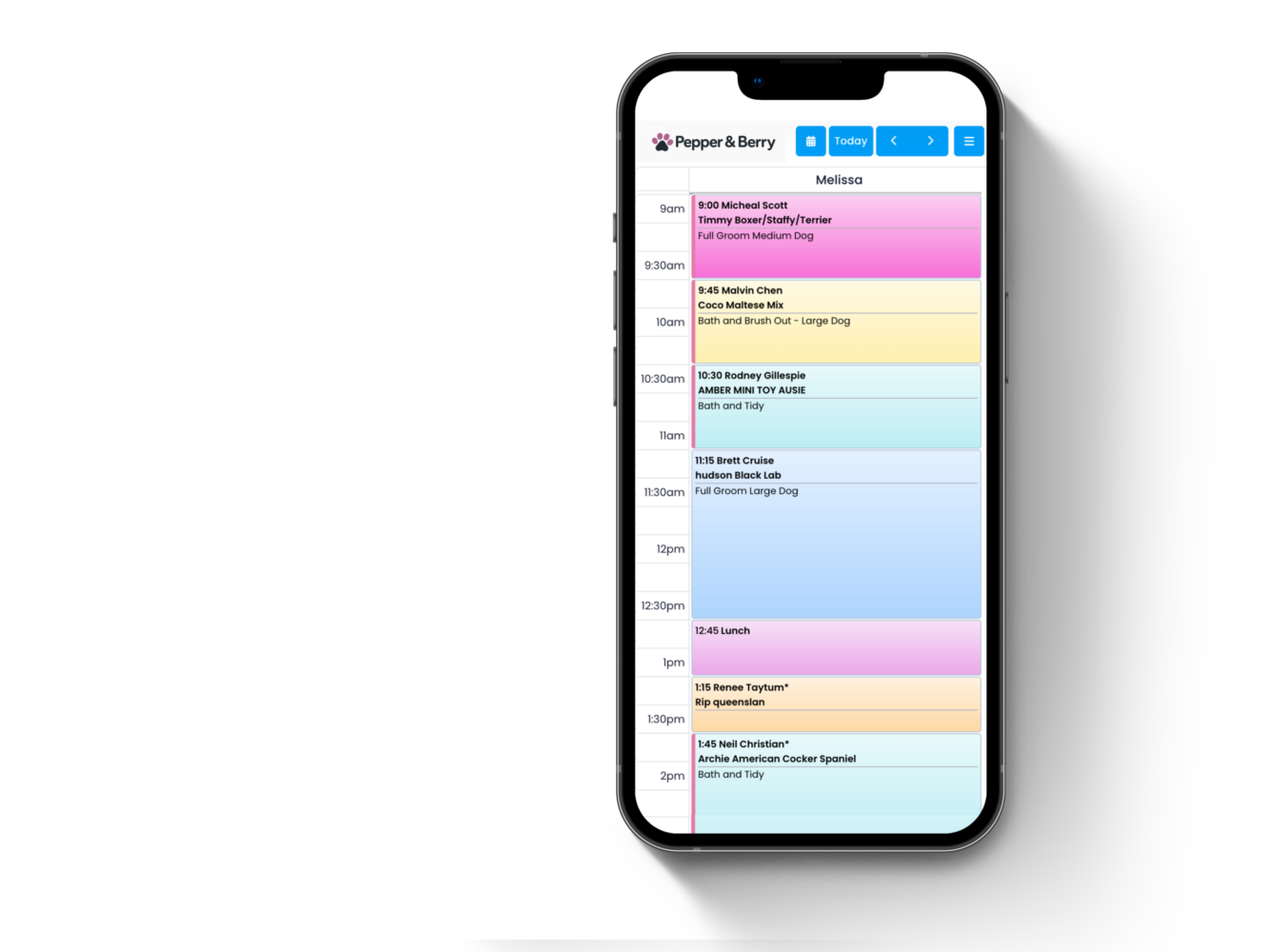

If you’ve ever faced the challenge of dealing with difficult grooming salon clients, you’re not alone.
It’s tough enough managing these troublesome clients; let alone figuring out how to part ways with them.
So, when it’s time to break up, handling the situation with professionalism and diplomacy is key.
Read on to learn the essential steps for managing these challenging break ups.
Prevention is Better Than the Cure
Setting clear expectations from the start is essential because clients can’t respect your limits if they don’t exist.
Proactively establishing guidelines, implementing cancellation policies and setting payment expectations can prevent issues from arising in the first place.
Include these details in your reminder and confirmation texts or on your website.
Moreover, displaying signs in your grooming salon that outline key policies will ensures that all clients can see them when they visit.
With Neko’s fabulous booking tools, you can include your cancellation policy with online bookings and text reminders.
Understand When It’s Time to Break Up
Be sure to assess each situation carefully before making any rash decisions.
A single incident might not be enough to sever ties, but a pattern of problematic behaviour is an indication you should consider your options.
Reasons to Break Up with Difficult grooming clients
Consistently Late or No-Shows:
Clients who frequently arrive late or don’t show up will disrupt your schedule and can cause delays for other clients.
; Learn 10 ways to reduce grooming salon no-shows here.
Unsafe or unsuitable expectations: If an owner insists on a finish or handling approach that compromises the pet’s comfort, explain the appropriate alternatives. Be clear about the limits of your service and do not agree to unsafe work to avoid a disagreement.
Clients who have expectations that are not achievable can lead to dissatisfaction and complaints.
Disrespectful or Rude Behaviour:
Clients who are disrespectful to staff or other clients create a negative environment and can affect team morale.
Sexual Harassment:
Any inappropriate behaviour that makes you feel uncomfortable should never be tolerated. (Safe Work Australia)
Non-Payment or Payment Issues:
Clients who consistently have payment issues can cause financial strain on the grooming salon.
Support needs beyond your service: An owner may need longer consultations or a pet may require a specialist setting. Discuss whether a different appointment or provider can help; extra needs alone do not make the client unworthy of service.
These difficult clients take up more time and resources than they are worth.
Repeated breaches of an agreed boundary: Focus on specific behaviour and the steps already taken to address it. A reasonable question, disagreement or request for an adjustment should not be treated as misconduct.
Clients who are always unhappy or critical can be challenging to please and may spread negativity to other clients.
Complaints and reviews: Investigate concerns fairly and offer an appropriate response. A justified complaint or an honest critical review is not, by itself, a reason to end a relationship. Base decisions on facts, safety and whether you can meet the pet’s needs.
Complaints and reviews: Investigate concerns fairly and offer an appropriate response. A justified complaint or an honest critical review is not, by itself, a reason to end a relationship. Base decisions on facts, safety and whether you can meet the pet’s needs.
; To learn more about specific difficult clients, read our blog “The 7 Most Difficult Clients”
How to Break Up with Difficult grooming clients
Document Everything
Keep a record of all interactions and incidents that support your decision.
This documentation will be useful if the client disputes your reasoning.
Make sure to include dates, times and specifics.
Neko makes it easy to document directly onto your client’s digital client card.
Plan the Conversation
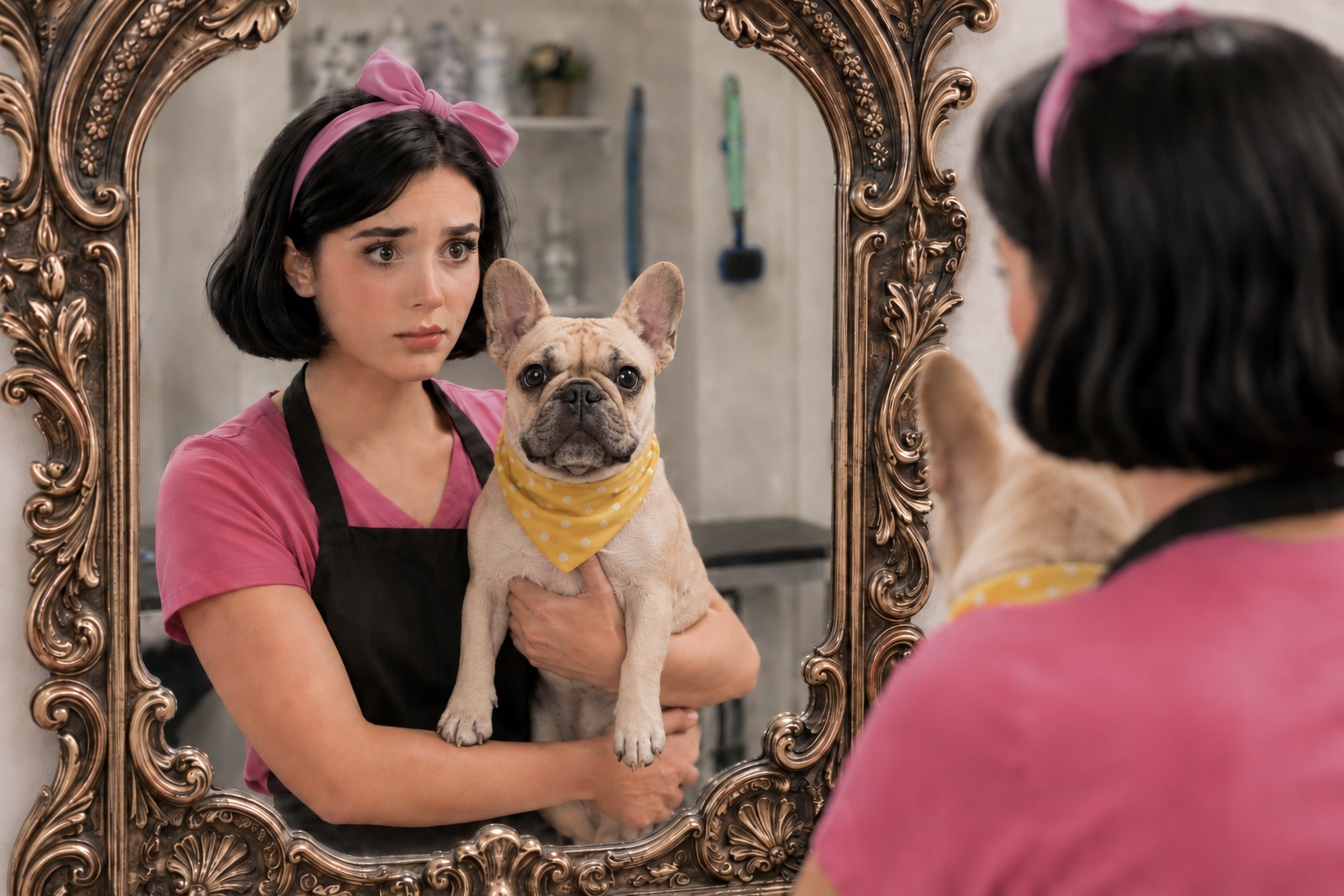
If you plan to have the conversation in person, think through how you will approach the client.
Prepare a script before hand to keep the conversation on track.
Be prepared with clear, concise reasons for your decision.
Furthermore, it is important to stay calm and professional throughout.
Be Honest and Be Kind
When it’s time to talk, honesty is the best policy. And always remember to be kind, no matter what.
Explain your reasons without placing blame.
For example, you might say, “We feel that we might not be the best fit for your needs and believe that you may be happier with another grooming salon.”
Offer Solutions
Where appropriate, suggest that the owner seek a groomer with suitable expertise or ask their veterinarian about a relevant concern. Do not promise another business will accept the pet, and do not pass private records to a provider without an appropriate basis and permission.
This shows that you care about the client’s needs and are committed to helping them find a solution.
Furthermore, this will soften the blow and demonstrate your professionalism.

Stay Calm and Professional
Expect a range of reactions from understanding to anger.
Regardless of the client’s response, stay calm and composed.
It’s crucial to maintain a professional demeanor throughout the conversation.
Send an Email or Text if More Appropriate
If you know the client will most likely react aggressively or you feel unsafe in any way, choose to engage over text or email.
Here is an example of a polite and professional email;
“Hi [Client’s Name], I hope you’re doing well. I wanted to get in touch with you regarding your future appointments with us.
Firstly, I’d like to thank you for choosing [Business Name]. However, we’ve noticed some recurring issues that make it challenging for us to meet your expectations.
After careful consideration, we believe you may be happier with another service provider who can better cater to your requirements.
To help with this transition, I’d be happy to recommend a few grooming salons that may suit you better.
This is not a decision we’ve taken lightly, and we truly appreciate your understanding.
Thank you so much for your past business, and we wish you all the best moving forward.”
This approach maintains professionalism, offers a clear explanation, and provides a helpful solution for the client.
Reflect on your experience
Think of every difficult situation as a learning opportunity.
Furthermore, by reflecting on what led to this breakup you might prevent similar issues with future clients.
This could involve setting clearer expectations from the start or adjusting your booking and payment policies.
Use your appointment records to identify factual patterns, such as repeated missed bookings or unresolved service restrictions. Reports can support your review, but they do not explain an owner’s motives or replace a fair conversation.
Conclusion
Breaking up with difficult grooming salon clients is never easy, but handling it with professionalism and empathy can preserve your grooming salon’s reputation.
Moreover, you maintain a more harmonious work environment for yourself and your staff.
We hope you have gained valuable knowledge from this blog.
For more informative grooming business articles, check out our other resources here.
Pet Business Software Blogs
Helpful Ideas For Smoother Pet Business Management
Explore practical articles that help pet businesses improve bookings, care records, communication, daily admin and growth.