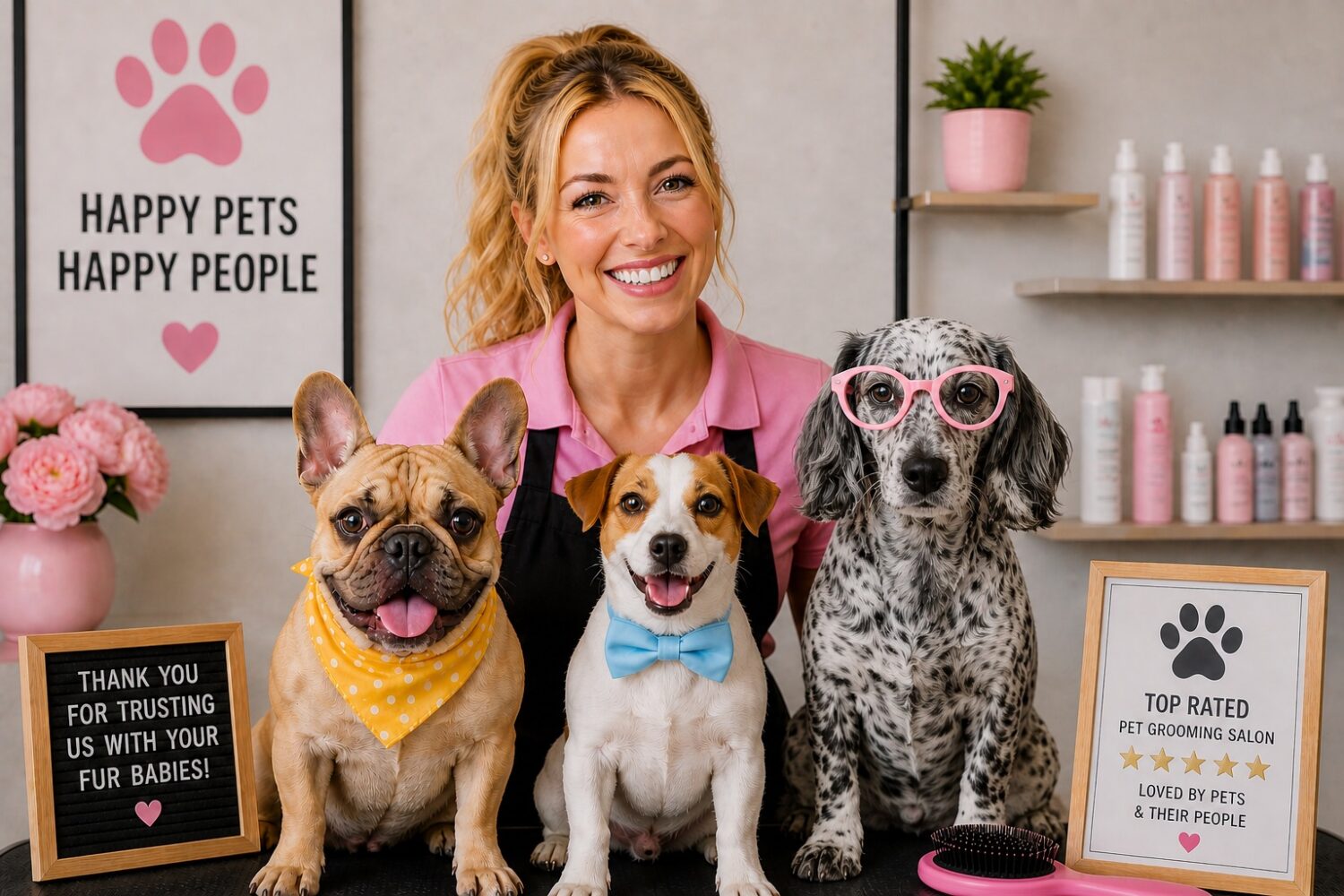
Learn 10 Great Strategies to help build a motivated grooming team
“Teamwork divides the tasks and multiplies the success“.
Teamwork and employee motivation is a critical aspect of any business and has a direct impact on productivity and ultimately profits.
A motivated employee that is actively engaged in a team environment leads to increased productivity and higher levels of output. Satisfied employees lead to less employee turnover, satisfied customers, increased customer retention, a higher standard of work, better work ethic, fewer days off, a willingness to improve and meet goals but most of all a positive and happy work environment. A disengaged unmotivated employee may work against your goals to increase your business. These employees may display behaviour that is less productive, may have a negative influence on co-workers, promote conflict, have more missed workdays, waste time, drive customers away, and negatively affect your customer retention.
So here are some great tips you can implement today to increase the teamwork and motivation of your grooming employees.
Clearly Defined Goals
A lack of clarity in goals and expectations may lead to frustrated employees. Laying the foundations of your business goals, priorities and performance goals give employees a clear direction of focus. Establishing a vision of where your team should be in 6 months from now give solid measurable goals. You can use the great Neko reporting tools to explain where your business is and draw up a realistic financial forecast to share with your employees. Of course, providing incentives will increase their desire to participate in striving for the goals, but more on that later.
A Consistent Work Environment
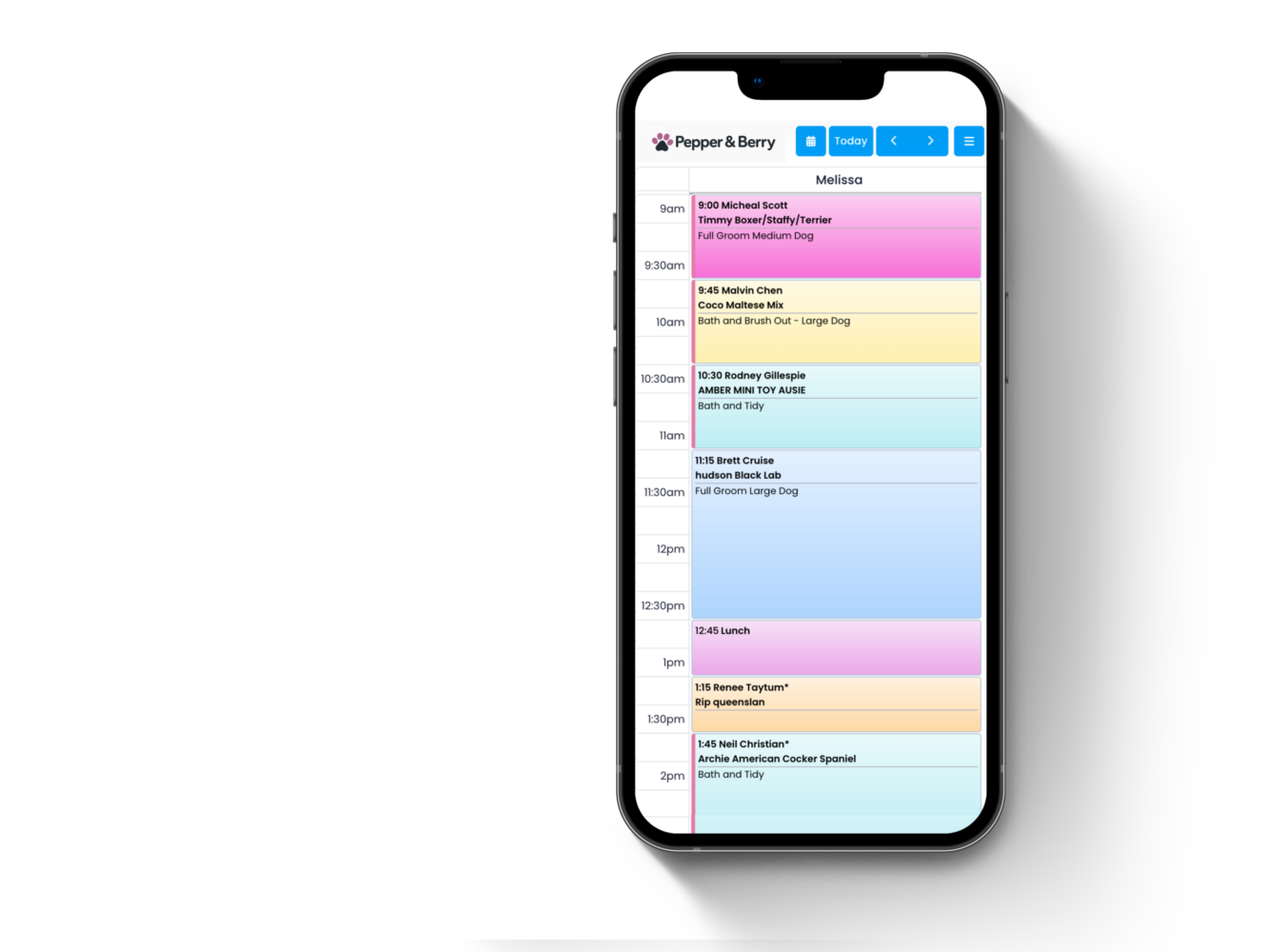
Neko brings bookings, reminders, client and pet records and business information together. Accurate settings and records reduce repeated administration, while staff still need clear responsibilities and time to use the system.
This simple and affordable software allows the entire grooming salon to run more smoothly and look more professional. A consistent working environment is a more dependable environment and in turn, lowers the stress levels of your team.
Incentives
A useful training opportunity, a suitable staff benefit or a modest team reward can recognise an achievement. Include careful handling, accurate records and teamwork in the criteria so rewards do not encourage rushed grooms or unnecessary selling.
Team Building Activities
Team building activities help build positive relationships between staff. Fun activities can provide stress relief, a chance to laugh and improve on relationships. There is an enormous range of teambuilding games and activities that you can try in your workplace or outside of the workplace. Search for teambuilding activities on google and you will be spoilt for choice. Some examples are room escapes, scavenger hunts, games, trivia nights, karaoke etc. There are also great teambuilding Apps available on the App Store that will take all the hard work out of organising team building activities. You may consider inviting a yoga or meditation coach to come to your place of work and provide a monthly yoga or meditation session. This shows your employees you care and is a great way for your team to de-stress and promotes a happy and healthy environment because “Teamwork makes the dream work”.
Professional Development Activities
Education and training is not only the key to keeping your staffs’ skills up to date but also provides inspiration and keeps your team passionate about their work. You may consider attending industry conferences, industry expos or participate in courses together. You may also invite product reps to provide training regarding their new products. Providing your team with access to trade magazines or industry website subscriptions can also improve team engagement in their work and provide fresh inspiration.
Social Engagement
Consider an optional team lunch, a coffee or another inclusive activity outside hands-on grooming time. Do not pressure staff to join or centre appreciation around alcohol. Ask which activities suit the team and keep participation comfortable.
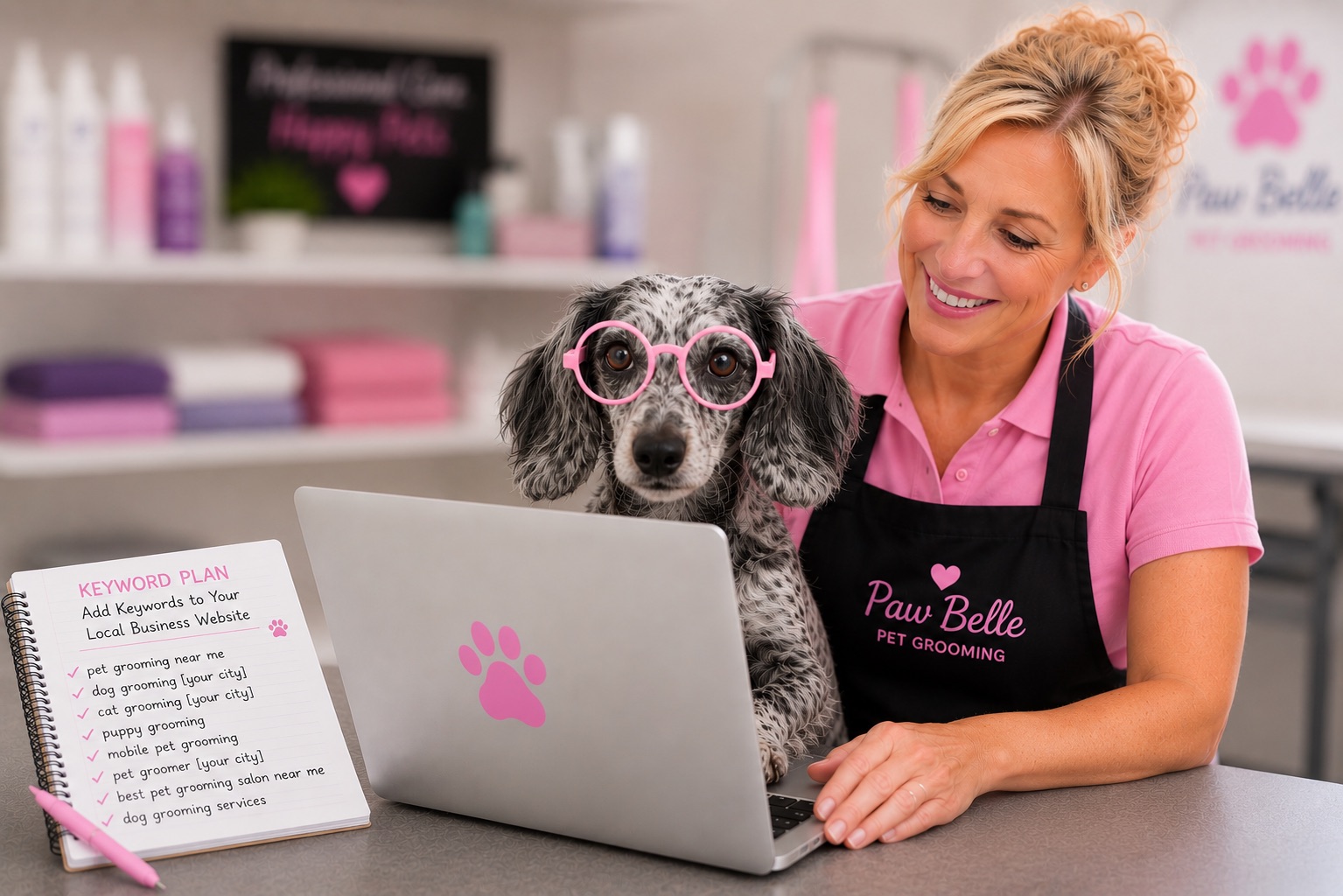
Positive Work Environment
Choose any decorations with pet access and cleaning in mind. Keep the working area uncluttered, check whether items are suitable around animals and prioritise practical equipment, lighting and comfortable staff facilities.
Celebrate Employee Milestones
Let your team know regularly how much you appreciate their presence. Remember, employees don’t just work for you, they work with you. Celebrating employee milestones can go a long way to creating loyalty. Consider celebrating things such as Birthdays, meeting sales goals, good customer reviews, promotions, employee yearly anniversaries, personal achievements and of course seasonal holidays. It may be something as simple as bringing in a cake or lovely fruit platter for your team to share. You don’t have to spend a lot to show you care.
Leadership
Good leadership skills are essential to a healthy team. Think about how you can praise your staff and express gratitude. Give positive feedback in negative situations and don’t forget that we are all human and make mistakes. Never talk down to your team members and try not to lose your cool. Bad attitudes are contagious. Body language, whether we are consciously aware or not can play a big role in how people feel when receiving information. Monitor your negative or intimidating body language when engaging with staff, especially in negative situations. Conflict management is also an important skill in leadership. If you feel you are lacking in this area there are many courses, books or Youtube videos where you can gain a great deal of informative information. Displaying good leadership skills is imperative in providing a positive workplace culture, which in turn creates employee satisfaction.
Meetings
Meetings are a great way to promote teamwork and keep your employees striving for new goals. A cohesive team needs direction and motivation. Talk about what did and didn’t work since your last meeting. Set new targets and incentives to drive motivation. Use this time to allow your team to provide input on how things can be improved upon. Ask for feedback and actively welcome suggestions to keep your team feeling more valued and more team orientated. Meetings are also a great time to bring up workplace conflicts in a calm manner and provide resolutions before things escalate and damage the team dynamics. Discussing any new protocols, pricing changes, or safety standards is also a great way to keep everyone on the same page.
I hope these strategies are helpful to get your grooming team motivated today because remember, “Teamwork makes the dream work!”
Build motivation around a realistic grooming day
A team cannot sustain enthusiasm if the calendar repeatedly asks more than the people and equipment can deliver. Review appointment lengths with staff who perform the work. Include consultation, coat assessment, cleaning, owner handovers and breaks. A groom that takes longer than expected should prompt a discussion about scheduling and support, not an automatic assumption that the employee is unmotivated.
At the start of a shift, identify new pets, appointments needing extra preparation and any absence that changes capacity. Agree who will answer messages and who will support a difficult handover. This short planning conversation gives staff a chance to raise concerns before they are already working against the clock.
Make training and recognition specific
Choose one useful skill at a time, such as explaining a practical trim, keeping clear pet notes or using equipment correctly. Let a more experienced groomer demonstrate, give the learner an appropriate opportunity to practise and review what additional support is needed. Training should fit the working schedule rather than becoming unpaid work added after an exhausting day.
Recognise the actions that protect the standard of care. A staff member who notices a concern early, asks for help or explains a change clearly to an owner has made a valuable contribution even if the appointment produces less revenue. Balance commercial goals with the pet’s needs, service quality and teamwork.
Use a simple feedback and follow-through routine
Invite each employee to identify one thing that makes their work harder and one change that could help. Listen without immediately defending the current process. Some requests may involve equipment, workload or a clearer policy; others may need coaching or a conversation between colleagues.
Write down the agreed action, who will take it and when you will review it. If the business cannot provide a requested change, explain the reason and explore a realistic alternative. Staff are more likely to keep contributing ideas when they can see that feedback receives a considered response.
Keep team activities optional and inclusive. Appreciation does not have to involve a costly event, alcohol or staying late. A thoughtful thank-you, a manageable roster and a reliable way to ask for support often matter more than a motivational slogan.
Pet Business Software Blogs
Helpful Ideas For Smoother Pet Business Management
Explore practical articles that help pet businesses improve bookings, care records, communication, daily admin and growth.