Owners remember the whole visit
A pet grooming customer experience starts before a pet reaches the grooming table and continues after collection. The quality of the groom matters, but so do the enquiry, the consultation, the updates and the way staff respond when something needs attention.
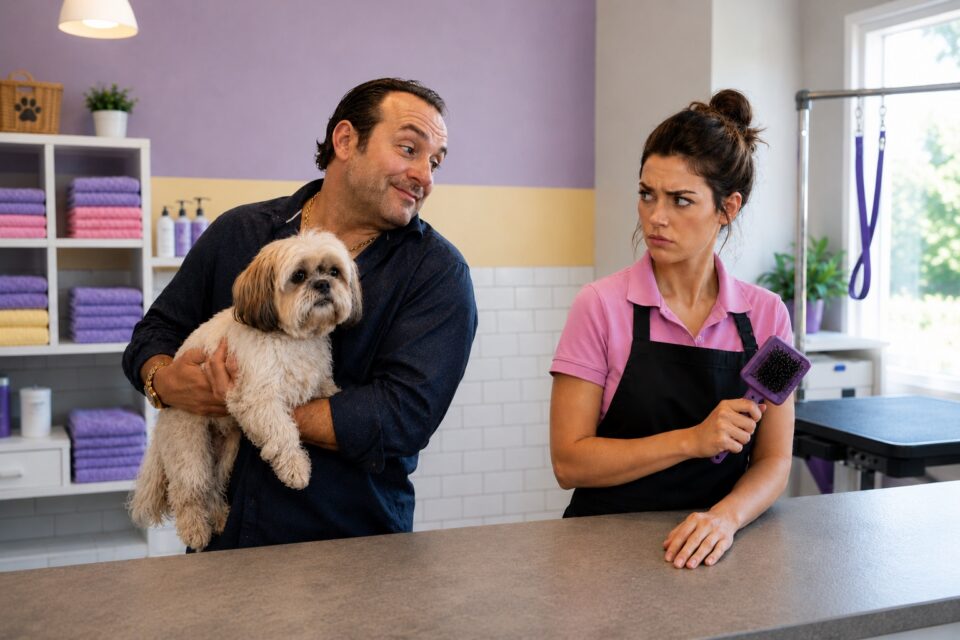
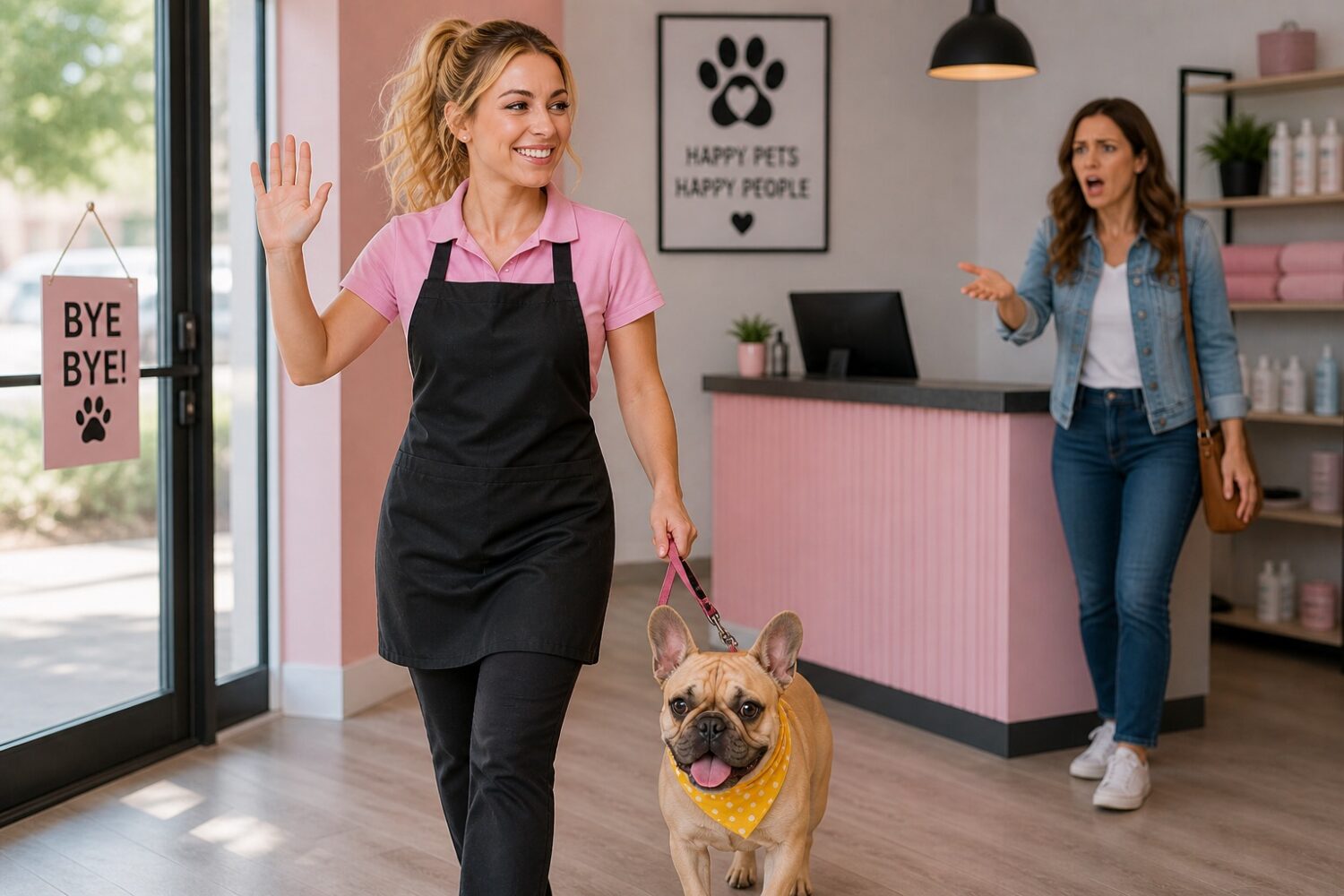
Consider this hypothetical owner journey. An owner finds a lovely photograph online, but struggles to understand the service menu. They finally book, arrive unsure where to park and discover that the quoted price was only a starting point. No one has explained when collection will happen. Even a good finished groom may not undo the frustration created along the way.
Now imagine the same visit with clear information, a calm handover and an agreed plan. The owner knows what is being provided, the groomer has relevant pet notes and both understand how changes will be handled. The pet’s comfort remains central, and the owner leaves with practical guidance for the next visit.
Use the following details to review your own business. They apply to salon teams, solo groomers and mobile services, though the practical arrangements will differ. Ask staff where misunderstandings recur and invite private feedback from owners without assuming every concern is a complaint about grooming skill.
Before the appointment: make the first steps clear
1. Answer enquiries with a useful next step
If you cannot answer during a groom, provide a clear way to leave the relevant details and explain when messages are normally checked. An owner should not have to contact several channels to find out whether you serve their area or groom their type of pet.
Give staff a consistent response to common questions. If a quote needs an assessment, explain what information you need rather than offering an estimate that sounds like a final price.
2. Describe services in language owners understand
A familiar industry term may mean little to a new client. Explain the difference between a bath and tidy, a full groom and an introductory appointment, including what is and is not normally included.
Clarify how pet size, coat condition and the agreed work affect timing and cost. Do not rely on a breed name alone to communicate an exact result or price.
3. Make booking straightforward and appropriate
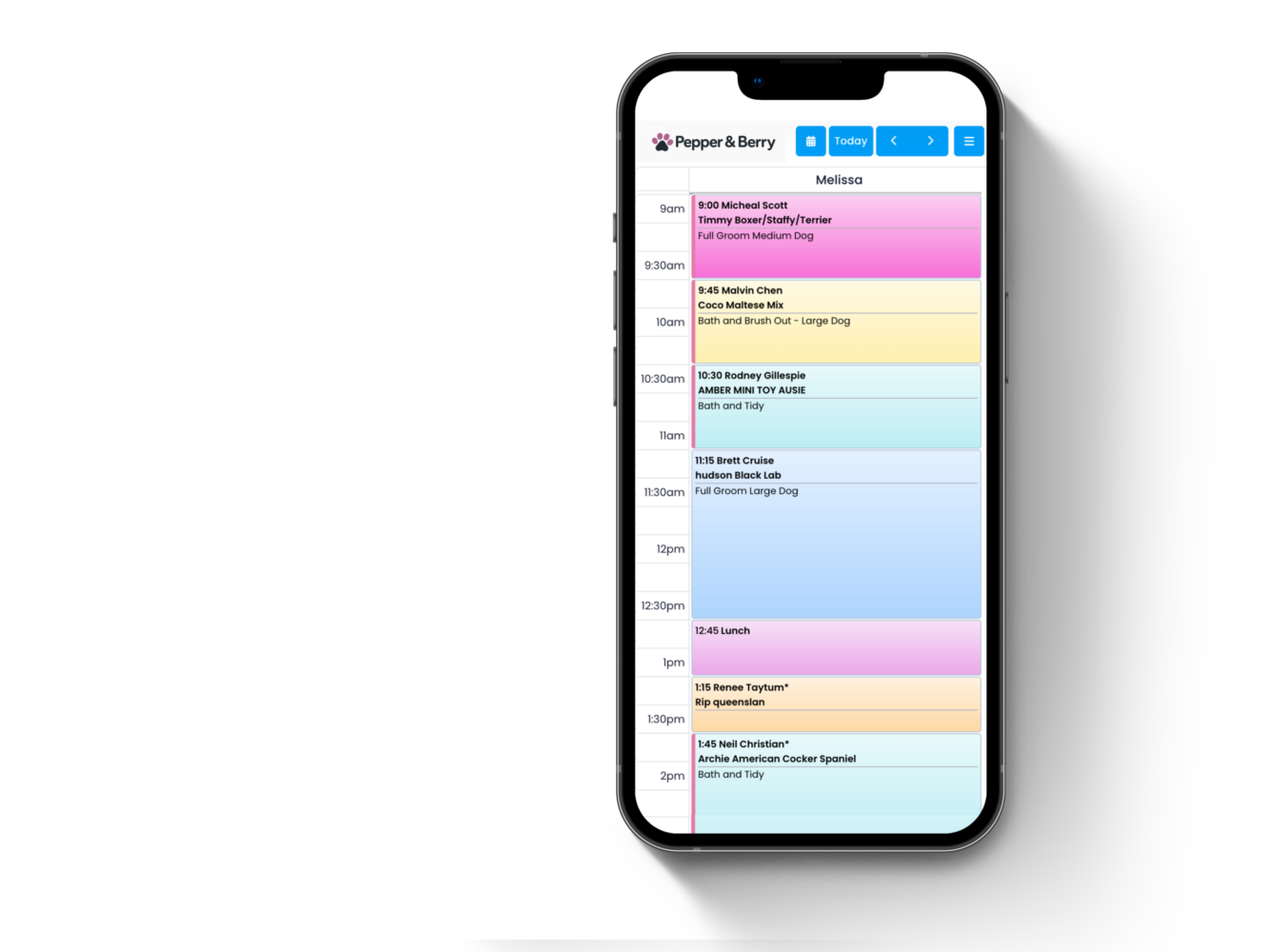
Offer a clear booking link or contact process. With Neko, online availability, services and buffer times can be set to suit the business. Keep requests that need discussion on a suitable enquiry or consultation path.
Check the journey on a phone. Owners should be able to read the terms, choose the right next step and receive confirmation without guessing what happens next.
4. Collect relevant information in advance
Ask for the pet’s grooming history, handling sensitivities and practical owner contact details. Neko’s digital forms can collect information before arrival and keep completed records connected to the client and pet profile.
Review the answers before the visit. A form that is never read creates work for the owner without improving preparation, and important concerns still need a conversation.
5. Send reminders that help owners prepare
A reminder should identify the appointment and give a clear way to confirm or make changes. Include any brief preparation or arrival instruction already discussed during booking.
For mobile work, confirm the address and agreed access arrangement. If you use an arrival window, make sure the message reflects that rather than suggesting an exact time you cannot promise.
Arrival and consultation: build a shared plan
6. Explain parking, access and handover
Make your entrance or meeting point easy to find. If there is a specific parking arrangement, share it before the owner arrives. For mobile visits, agree a suitable vehicle position and access requirements in advance.
Use an established handover procedure. Explain when you will take the pet and where the owner should wait or leave, so neither feels hurried or uncertain.
7. Welcome the owner and recognise the pet
Use names and acknowledge a returning visit without assuming nothing has changed. Ask whether there are new concerns, preferences or contact arrangements to note.
A warm welcome does not require a long conversation. It requires attention and a clear transition from arrival to consultation, especially when reception is busy.
8. Protect a calm, secure working environment
Keep entrances and grooming areas organised, follow your established pet separation procedures and reduce avoidable noise or crowding. Do not let an owner’s request to enter the work area override your safety arrangements.
Consider the individual pet and your team’s competence. A busy reception or unfamiliar setting may call for a different handover approach, with the owner’s information helping you prepare.
9. Keep hygiene visible and consistent
Clean, organised equipment and work areas show care in everyday practice. Follow suitable cleaning procedures and product instructions, and make responsibilities clear so tasks are completed between appointments.
Do not use fragrance or decorative touches to disguise a hygiene issue. Owners need confidence in the actual standards behind the service, not simply an attractive reception desk.
10. Listen before recommending a style
Ask what the owner wants and clarify terms such as “short” or “fluffy”. A reference picture can help, but explain which elements suit this pet’s coat and current condition.
Listen to home-maintenance difficulties without blame. Recommend a practical plan the household can manage, rather than a finish that looks appealing today but becomes unrealistic between visits.
11. Agree the service, estimate and change process
Explain the proposed groom and what the estimate includes. Discuss factors that could require extra time or a different approach, and agree how you will seek authorisation if the plan changes.
Pet comfort takes priority over cosmetic expectations. Be clear that you may need to modify or stop a service when appropriate, and do not treat a signed form as permission to ignore a new concern.
During the groom: deliver the promise with care
12. Use the pet record as a working reference
Review previous notes and photographs before beginning. Neko’s client and pet profiles can help the team see agreed preferences, past service information and relevant restrictions in one place.
Keep notes factual, dated and useful. Record what helped a pet cope with a particular stage, rather than applying a permanent label that may discourage a fresh assessment.
13. Work within the pet’s tolerance and your competence
Do not rush an unfamiliar pet to keep an unrealistic schedule on time. Follow your established handling and welfare procedures, and seek suitable support when the situation is beyond your competence.
If you observe a concern requiring veterinary attention, explain the observation to the owner without offering a diagnosis. A grooming service should not be presented as medical treatment.
14. Communicate meaningful changes early
If timing, cost or the agreed finish needs to change, contact the owner as arranged. Explain the facts, the practical options and what decision you need from them.
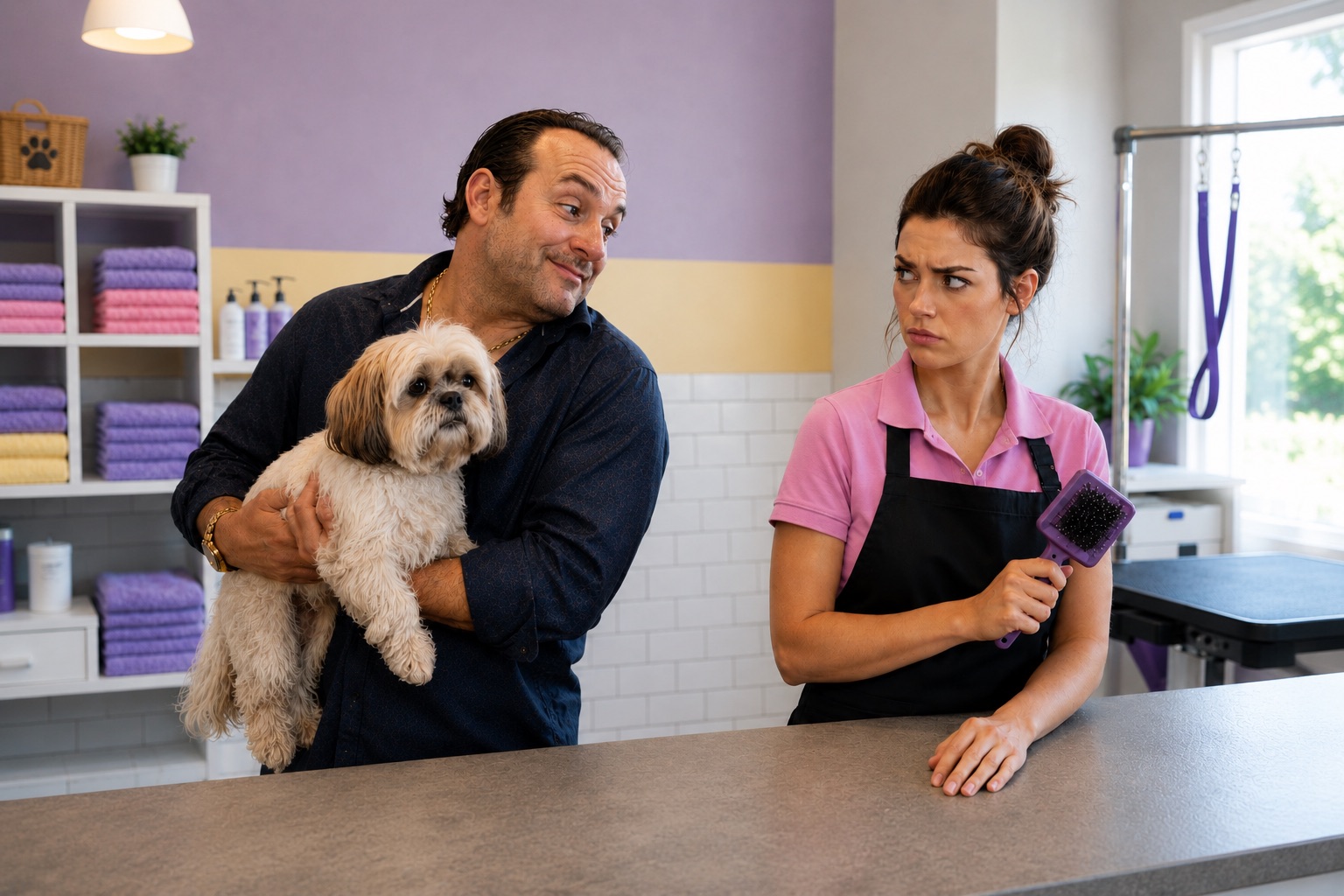
Owners are more likely to feel informed when they hear about an issue before arriving to collect. Avoid blaming language or a rushed explanation while they are already standing at the counter.
15. Keep photos secondary to the pet’s care
A before-and-after image can be a useful record or marketing example, with appropriate owner permission. Take it only when the pet is comfortable and you can do so without extending handling unnecessarily.
Keep photography consent separate from the essential grooming agreement. An owner who declines publicity should receive the same care, and images should not expose contact details or private records.
16. Give staff time and support to work consistently
Reliable service depends on realistic scheduling, suitable equipment and clear team responsibilities. Leave space for cleaning, consultation, breaks and handovers instead of measuring success only by appointments completed.
Support junior staff with training and mentoring. Encourage questions early so uncertainty about a coat, a pet or an owner’s expectation is resolved before it becomes a bigger problem.
Collection and follow-up: make the next visit easier
17. Give a clear pickup update
Tell the owner when the pet is ready and where collection should happen. If you agreed an arrival window or need a particular handover arrangement, repeat the relevant detail.
For mobile services, explain when you have finished and how the pet will be returned. Avoid leaving the owner to guess whether to approach the vehicle or wait for your message.
18. Explain what was completed
At collection, describe the groom and any agreed changes. Use the consultation plan as your reference so the owner can see how the outcome relates to what you discussed.
Give important information calmly, with room for questions. A busy counter should not mean the owner leaves unsure what happened or how their pet managed the appointment.
19. Offer practical maintenance advice
Show an appropriate brushing or combing technique when it is useful and within your competence. Explain which areas need attention and what routine is manageable for that pet and household.
Keep product recommendations relevant. A demonstration and clear instructions are more useful than a sales pitch, and the owner should feel comfortable declining a purchase.
20. Make payment transparent
Present the charge clearly and explain any variation that was discussed and authorised. Do not add a service at checkout that the owner had no opportunity to consider.
Keep gift card or loyalty redemption straightforward. Staff should understand the terms and be able to explain the transaction without sending the owner through several inconsistent answers.
21. Recommend an appropriate return plan
Discuss a suitable interval based on the pet’s needs and the owner’s maintenance routine. Offer rebooking without implying every pet needs the same schedule or guaranteeing an unavailable time.
Record the plan and preferences. A useful next booking is one the owner understands and the team can deliver, with enough room for the individual pet’s care.
22. Welcome feedback and act on recurring concerns
Provide a simple way to contact you privately after the visit. Respond respectfully, check the facts and agree a suitable next step rather than becoming defensive.
Invite honest public reviews through a neutral process without incentives. Use repeated feedback to improve your workflow, and tell the team what has changed so the improvement lasts beyond one conversation.
Review one part of the journey at a time
You do not need to redesign the whole business in a day. Choose a recurring difficulty, agree a practical improvement and check whether it reduces confusion for owners and staff.
Neko helps connect bookings, reminders, client and pet records, forms and sales so information is easier to find throughout the visit. Start your free trial and test it against a real customer journey from enquiry to rebooking. The tools support the experience; your team’s everyday care and communication make it memorable.
Pet Business Software Blogs
Helpful Ideas For Smoother Pet Business Management
Explore practical articles that help pet businesses improve bookings, care records, communication, daily admin and growth.